Medicine meets God

Some nights in the ER, I find myself standing at the edge of medicine and something far older, far quieter — faith, doubt, and whatever exists in the space between.
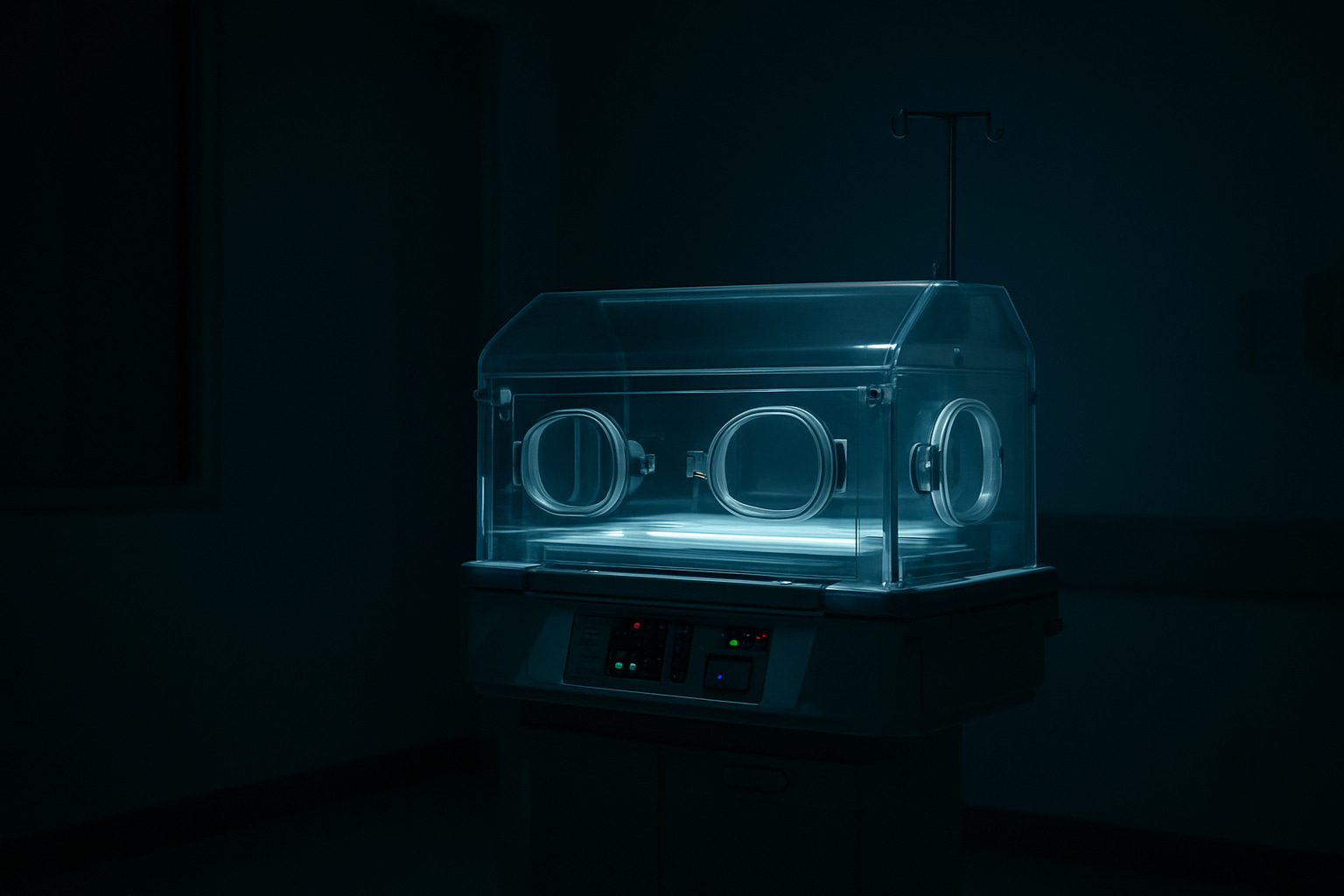
It always begins with the smallest patients.
A newborn with saturations dipping despite maximal oxygen.
A tiny chest heaving against a world too heavy.
A creatinine that should belong to an adult twice my age, not a child who hasn’t even said their first word.
Congenital heart disease with ducts closing too soon, leaving the blood lost and confused about where to flow.
A liver failing before the child even learns to cry properly.
Numbers, graphs, waves — all screaming louder than the baby ever could.
There is a particular kind of silence around a critically ill infant.
It is not peaceful.
It is the silence of questions no one wants to ask.
And on nights like these… I ask them.
What did this child ever do to deserve this?
How can a life that just began be asked to fight this hard?
If God is watching, is He looking away?
I do the clinical things:
bolus after bolus, carefully titrated;
dopamine creeping up millilitre by millilitre;
lines so fragile I hold my breath while inserting them;
kidneys that refuse to wake, lungs that refuse to open;
parents looking at me with hope they cannot afford to lose.
As doctors, we pretend we’re built for this.
But inside, something breaks every time.
And then… sometimes… medicine surprises me.
A baby coded for minutes longer than textbooks recommend,
a heart that should’ve surrendered,
a brain that should’ve dimmed —
but instead, a rhythm returns, slow and stubborn,
like a faint whisper choosing life again.
A child in shock, cold, mottled, unresponsive,
suddenly opens their eyes —
like the body remembered something the illness had almost erased.
I’ve seen saturation climb from 40 to 92
as if the lungs suddenly remembered how to be lungs.
I’ve watched a creatinine we gave up on
drift back into normal range
as if the kidneys decided to forgive us.
These moments don’t follow protocols.
They don’t care about prognosis charts or expected outcomes.
They simply happen — soft, quiet, unexplainable.
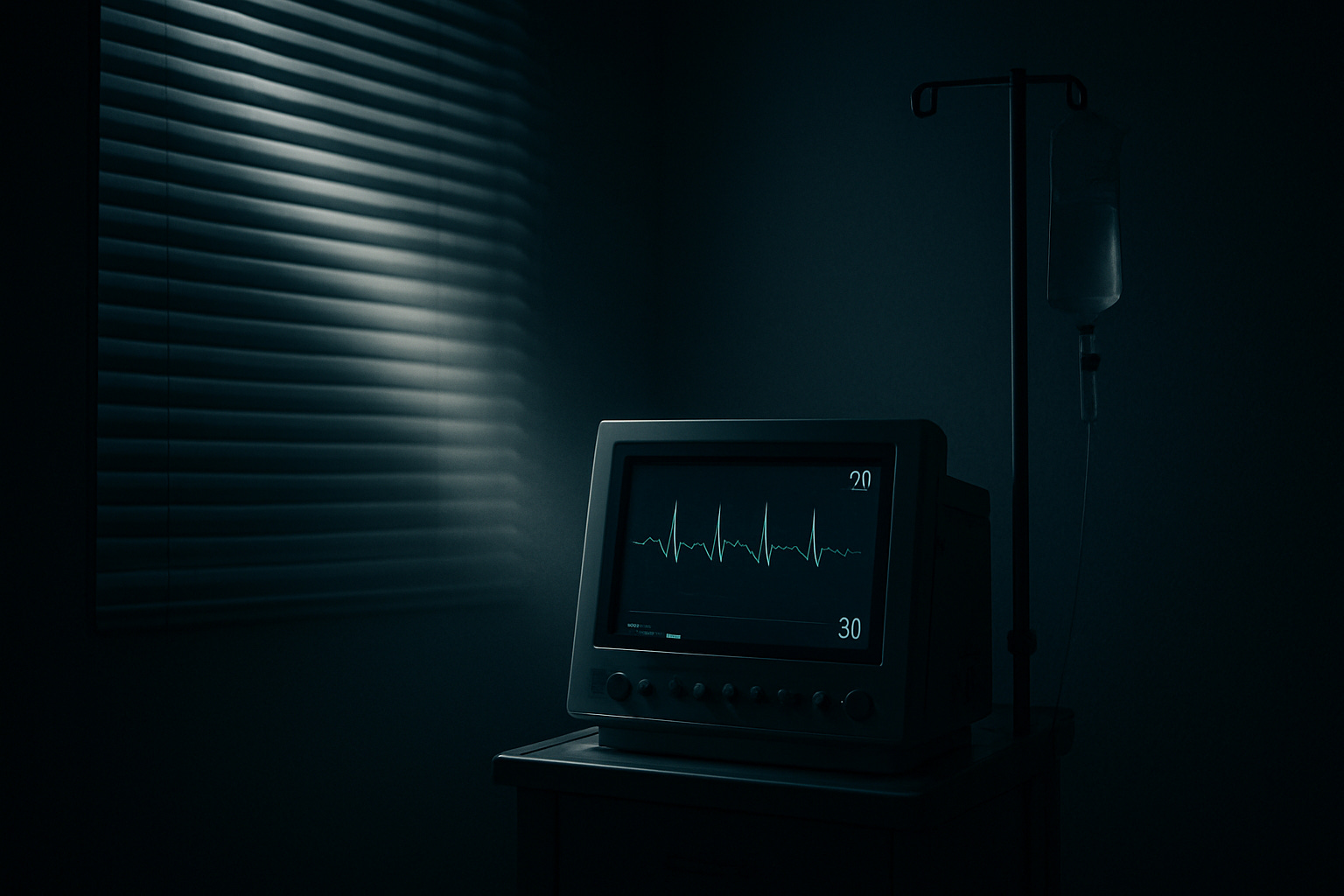
And in those seconds, something inside me changes.
I start believing again.
Not in miracles with thunder and light.
But in the quiet ones —
the ones that slip into a shift when I’m too tired to expect them.
Maybe God doesn’t stop the suffering.
Maybe He hides inside the people who survive it.
Maybe He shows up in the child who should’ve died… but didn’t.
Maybe faith is not certainty — maybe it is the ability to keep showing up despite the uncertainty.
Every time I almost lose faith,
medicine hands me a reason not to.
Every time I question God,
life whispers back through a pulse,
a breath,
a heartbeat that refuses to end.
And I walk home knowing this:
In the ER, I see the world at its worst.
But I also see the exact places where God doesn’t give up.
And maybe that’s the strange relationship between God and medicine.
Medicine is the science that teaches me how a life is saved —
the receptors, the pathways, the pressures, the numbers.
But God… or whatever presence lives beyond our measurements…
is what reminds me why a life is worth saving.
Medicine tells me what is possible.
God tells me what is meaningful.
Medicine gives me the steps.
God gives me the strength to take them.
Medicine repairs the body.
Faith repairs the part of me that breaks while doing it.
I don’t know if God controls outcomes.
I don’t know if miracles are divine or biological luck.
But I do know this:
When a dying child chooses to live,
something larger than my training moves through that room —
something that feels like mercy,
or grace,
or the universe refusing to be cruel.
And in that moment,
I realise that medicine and God aren't rivals.
They are two language
s trying to say the same thing:
Life wants to continue.
And we are here — all of us — to help it do so.
If you like my posts please subscribe to MED PULSE and click on the link to buy me a coffee Because my paid posts are where I finally write the truth — the unfiltered nights, the fears, the miracles, and the moments I carry home long after the shift ends, the ones that shape me in ways I can’t say anywhere else.👇
Life really does sit between faith and science, medicine shows us how we survive, and faith reminds us why we keep going. Thank you for writing something so human and honest.
Insightful. Been in similar situations many times myself. Another aspect is the feeling of dissociation. You realize that the person in front of you and their family are having the worst days of their lives, and you know that after the shift you will go get burgers